
How Inflation Affects Mortgage Rates: A Comprehensive Guide
Inflation can have a significant impact on the economy, and one area where its effects are especially felt is in the mortgage market. For those looking to buy a home, refinance, or even just curious about economic trends, understanding how inflation influences mortgage rates is crucial. Let’s break it down and explore how these two forces are interconnected.
What is Inflation?
Before diving into how inflation affects mortgage rates, it’s important to understand what inflation is. In simple terms, inflation refers to the general rise in the prices of goods and services over time. As inflation increases, the purchasing power of money decreases, meaning that people can buy less with the same amount of money.
The central bank, the Federal Reserve, plays a key role in managing inflation. One of the tools they use is adjusting interest rates, which impacts everything from savings accounts to mortgage rates.
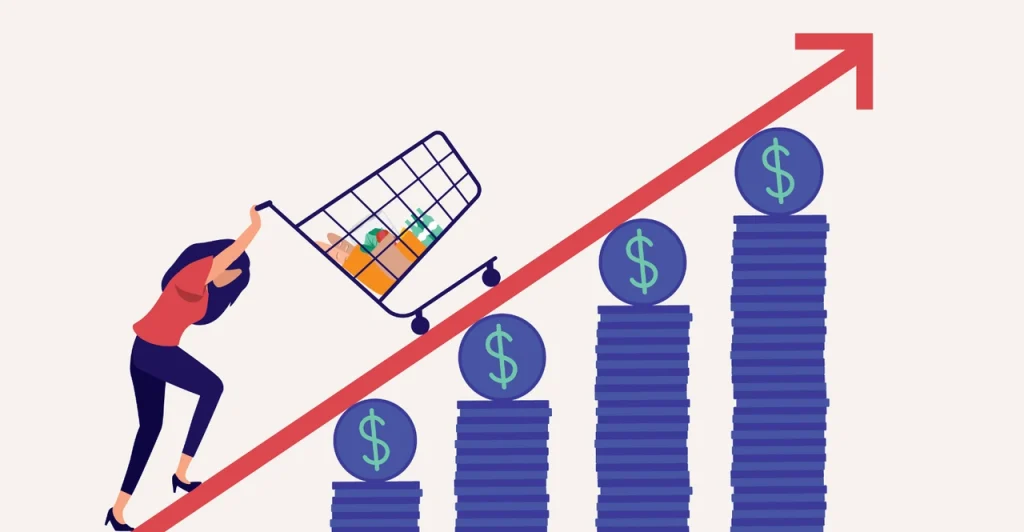
The Connection Between Inflation and Mortgage Rates
Mortgage rates are closely tied to inflation because they reflect the cost of borrowing money. When inflation is high, the cost of living increases, and investors begin to demand higher returns on their investments to keep up with the eroding value of money. This means that lenders, who typically rely on the sale of mortgages to investors, will raise interest rates to maintain profitability.
Here’s how the relationship works in simple terms:
Higher Inflation = Higher Mortgage Rates When inflation rises, the Federal Reserve may decide to increase short-term interest rates to cool down the economy. As these rates rise, long-term mortgage rates (such as 30-year fixed rates) also tend to increase. This happens because investors want to make sure they’re compensated for the higher risk posed by inflation.
Lenders and Inflation Risk Lenders base their mortgage rates on several factors, and inflation risk is a big one. If inflation is high, the money lenders lend out today may be worth less in the future when it’s paid back. To offset this risk, they increase mortgage rates, which in turn makes it more expensive for borrowers to secure a loan.
The Federal Reserve’s Role The Federal Reserve closely monitors inflation and adjusts its policies accordingly. When inflation is rising too quickly, the Fed may raise interest rates, which leads to higher mortgage rates. Conversely, when inflation is low, the Fed may lower rates to stimulate borrowing and investment, which can result in lower mortgage rates.

How Rising Mortgage Rates Affect Homebuyers
When mortgage rates increase due to inflation, it can make borrowing more expensive for homebuyers. A higher mortgage rate means higher monthly payments, which could impact how much home buyers can afford. This can reduce buying power, especially for first-time homebuyers or those on a tight budget.
Let’s consider an example:
- In a low-rate environment, a borrower with a $300,000 mortgage at a 3.5% interest rate will have a monthly payment of around $1,347 (excluding taxes and insurance).
- In a high-rate environment, the same borrower might face a 6% interest rate, leading to a monthly payment of $1,798.
This $451 difference can make a big impact on a homebuyer’s budget and, in some cases, may push them out of the market entirely.
How to Prepare for Inflation and Rising Mortgage Rates
If you’re planning to buy a home or refinance during a period of rising inflation, there are a few steps you can take to prepare:
Lock in a Low Rate Early If mortgage rates are on the rise, consider locking in a rate as early as possible to secure a more favorable deal. Many lenders offer rate locks for a set period, which can protect you from future rate hikes.
Consider a Shorter-Term Loan If you’re concerned about rising interest rates, a shorter-term mortgage (such as a 15-year loan) may offer a lower interest rate and help you pay off your loan faster.
Refinance When the Time is Right If you already have a mortgage and rates are rising, you may want to consider refinancing now while rates are still relatively low, before they rise even further.
Plan for Higher Monthly Payments If you’re buying a home, be prepared for higher monthly payments due to rising rates. Adjust your budget accordingly and be sure to account for other costs, such as home maintenance and property taxes.
Inflation and mortgage rates are inextricably linked, and understanding this relationship can help homebuyers and homeowners make more informed decisions. When inflation rises, mortgage rates tend to follow suit, making borrowing more expensive. However, with careful planning and the right strategy, you can still navigate the challenges inflation presents and secure a favorable mortgage deal.
At R&J Capital Group LLC, we’re here to help you understand the impact of inflation on mortgage rates and guide you through your home financing options. If you’re ready to discuss your mortgage needs or have questions, reach out to our expert team today. We’ll help you find the best solution for your unique situation.